Same-Day Service Available!
Carpets are a major investment in any home, and most homeowners want them to look good and last as long as possible. Regular vacuuming and occasional spot cleaning feel like the right approach, yet many carpets begin to show wear far sooner than expected. Fibers flatten, stains return, and certain areas start to look permanently dull. In many cases, the issue is not neglect, but common carpet cleaning mistakes that quietly shorten carpet life over time.
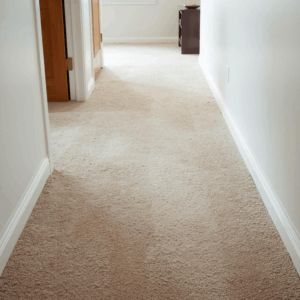
Well-intended cleaning habits can sometimes do more harm than good. Using too much product, scrubbing stains aggressively, or waiting too long between cleanings can all stress carpet fibers and trap residue deep below the surface. These mistakes often lead to faster re-soiling, uneven wear, and carpets that never seem to stay clean for long.
Another challenge is that carpet damage does not always happen all at once. It develops gradually, especially in high-traffic areas. Because carpets can hide dirt and residue so well, homeowners may not realize a problem is forming until fibers feel rough, stains become stubborn, or odors linger despite repeated cleaning.
Understanding the most common carpet cleaning mistakes is the first step toward protecting your floors. Proper carpet care is not about cleaning more aggressively, but about cleaning smarter. In this guide, we will walk through the mistakes that shorten carpet life, explain why they cause long-term damage, and share better practices that help carpets stay cleaner, softer, and more durable for years to come.
Carpet fibers are designed to handle everyday use, but they are not indestructible. The way carpets are cleaned plays a major role in how long they last. Many common cleaning habits slowly weaken fibers, even when carpets look clean on the surface.
Carpet damage usually does not happen overnight. It develops over time as fibers are repeatedly stressed by dirt, residue, and improper cleaning methods.
This gradual wear often shows up as:
Once fibers lose their structure, carpets begin to look worn even after cleaning.
When dirt settles deep into carpet fibers, every step grinds it further into the carpet. If cleaning methods do not remove this buildup properly, the dirt continues to wear fibers down from the inside.
This leads to:
Regular vacuuming helps, but it cannot remove all embedded debris on its own.
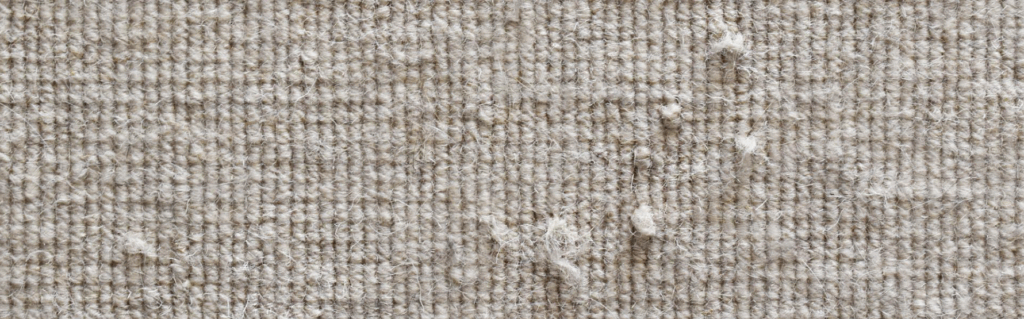
Cleaning residue is one of the biggest contributors to shortened carpet life. When soaps or cleaners are left behind, they attract more dirt and cause carpets to soil faster.
Over time, residue causes:
Instead of protecting the carpet, residue speeds up wear.
Many homeowners believe cleaning more often will protect their carpets. In reality, aggressive or frequent cleaning using the wrong methods can damage fibers.
Common issues include:
Carpet care works best when cleaning is done correctly and at the right intervals.
Each individual mistake may seem minor, but together they can significantly reduce carpet lifespan. Waiting too long to clean, using the wrong products, or cleaning too aggressively all compound the problem.
Understanding why these mistakes matter makes it easier to avoid them. In the next section, we will look at the first major mistake homeowners make, waiting too long between professional cleanings, and how it quietly shortens carpet life.
One of the most damaging mistakes homeowners make is waiting until carpets look visibly dirty before scheduling professional cleaning. Because carpets hide dirt so well, problems often develop long before stains or discoloration appear.
Carpets can look clean on the surface while dirt, oils, and residue continue to build up below. This leads many homeowners to delay cleaning longer than they should.
Common reasons include:
By the time signs appear, wear has already started.
Dirt trapped deep in the carpet acts like fine grit. Every step presses it against the fibers, slowly wearing them down.
Over time, this causes:
Once fibers break down, cleaning cannot restore their original structure.
Vacuuming removes loose surface debris, but it cannot fully extract embedded dirt or residue. Fine particles remain lodged in the carpet and continue to cause friction.
Homeowners may notice:
Without periodic deep cleaning, vacuuming alone cannot protect carpet longevity.
Instead of waiting for visible problems, carpets last longer when cleaned on a schedule based on use and foot traffic.
A proactive approach helps:
Addressing carpets before they look dirty is one of the most effective ways to extend carpet life. In the next section, we will look at another common mistake, using too much cleaning product, and how residue accelerates wear and re-soiling.
When a stain does not come out right away, it is tempting to add more cleaner and try again. Unfortunately, using too much carpet cleaning product is one of the fastest ways to shorten carpet life. What feels like extra effort often creates residue that leads to faster wear and ongoing cleaning problems.
Many carpet cleaning products are marketed to deliver quick results. When a stain lingers, homeowners often assume the solution is to apply more product or repeat the process.
This usually happens because:
Instead of helping, repeated applications often compound the problem.
Carpet fibers are designed to release dirt, not hold onto soap. When too much cleaner is used, it becomes difficult to remove without professional extraction.
Excess product can cause:
Over time, this cycle wears fibers down and dulls the overall appearance of the carpet.
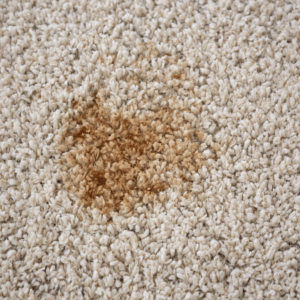
Many homeowners try to fix residue by rinsing the area with water. While this may help slightly, it often spreads the residue deeper into the carpet and padding.
This can lead to:
Without proper extraction, residue remains trapped and continues to collect dirt.
Using less product is almost always more effective. Allowing cleaners to work as directed and avoiding repeat applications helps protect carpet fibers.
Healthier habits include:
Understanding how residue affects carpets makes it easier to avoid this mistake. In the next section, we will cover another common issue, scrubbing stains aggressively instead of blotting, and why that habit causes permanent fiber damage.
When a spill happens, many homeowners react quickly and scrub the area as hard as possible. While the intention is to remove the stain before it sets, aggressive scrubbing is one of the most damaging carpet cleaning mistakes and can permanently shorten carpet life.
Spills create urgency, especially on light-colored carpet. Scrubbing feels active and productive, which is why it is such a common response.
Homeowners often scrub because:
Unfortunately, scrubbing rarely removes the stain and often causes lasting damage.
Carpet fibers are designed to stand upright. Aggressive scrubbing bends, frays, and weakens those fibers, changing the carpet’s texture in the process.
This can lead to:
Once fibers are damaged, cleaning cannot restore their original structure.
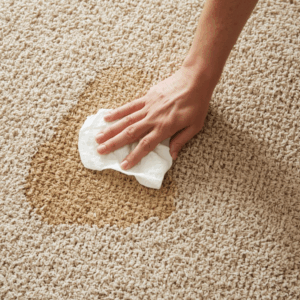
Instead of lifting spills out of the carpet, scrubbing often forces liquid and residue deeper into the fibers and padding. This makes stains harder to remove and increases the chance of odors developing later.
Homeowners may notice:
The harder the scrubbing, the deeper the problem can go.
Blotting is almost always the better approach. Blotting absorbs liquid without damaging fibers or spreading the stain.
Better spill response includes:
Taking a slower, gentler approach protects carpet fibers and helps stains lift more effectively.
If a stain has been aggressively scrubbed, fiber damage may already be present. While professional carpet cleaning can help remove residue and odors, worn fibers cannot always be repaired.
Avoiding this mistake going forward helps preserve carpet texture and extends overall carpet life. In the next section, we will look at another common issue, relying on carpet deodorizers to fix odor problems instead of addressing the source.
When carpets develop odors, many homeowners reach for carpet deodorizers as a quick fix. These products are easy to use and promise instant freshness. While they may improve how a room smells temporarily, relying on deodorizers is a common mistake that can actually shorten carpet life over time.
Carpet deodorizers work quickly, which makes them appealing when odors appear unexpectedly.
Homeowners often use them because:
Unfortunately, scent alone does not address the cause of most carpet odors.
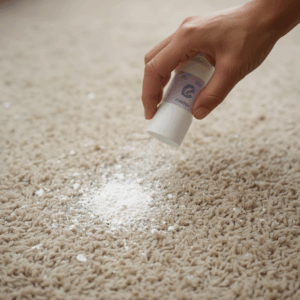
Most carpet deodorizers mask odors rather than remove them. They add fragrance or powder that sits on top of carpet fibers while the source of the odor remains below the surface.
This often leads to:
Instead of solving the issue, deodorizers often make carpets harder to clean later.
Powders and scented products can leave behind residue that clings to carpet fibers. This residue traps dirt and moisture, increasing friction every time someone walks across the carpet.
Over time, this can cause:
Repeated use accelerates fiber damage and dulls the carpet’s appearance.
Carpet odors usually originate below the surface. Spills, pet accidents, and everyday moisture can soak into the carpet and padding, where household products cannot reach.
Common odor sources include:
Unless these sources are removed, odors are likely to return regardless of how often deodorizers are used.
Addressing odors effectively means removing the source, not covering it up. Proper cleaning methods focus on lifting residue and moisture out of the carpet so odors have nowhere to linger.
When odors persist despite routine care, professional carpet cleaning can help remove buildup that deodorizers cannot. In the next section, we will look at another common mistake, overusing DIY or rental carpet cleaning machines, and how it can quietly shorten carpet life.
Many homeowners focus on visible stains and forget about the parts of the carpet that experience the most daily use. High-traffic areas and the carpet padding underneath play a major role in how long carpets last, yet they are often overlooked during routine cleaning.
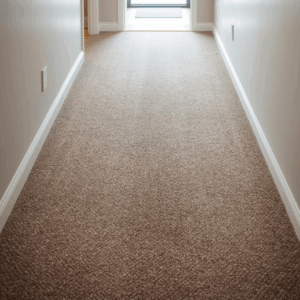
Hallways, living rooms, stairs, and entryways absorb the most foot traffic. Every step presses dirt and grit deeper into the fibers, especially in these walk paths.
When high-traffic zones are not addressed properly, homeowners may notice:
Cleaning only visible spots allows damage in these areas to continue unnoticed.
Carpet padding sits below the surface and absorbs moisture, spills, and residue over time. While it is not visible, it directly affects carpet comfort, odor, and longevity.
Problems linked to neglected padding include:
Once moisture and residue reach the padding, household cleaning methods often cannot fully resolve the issue.
Spot cleaning addresses isolated stains but does not account for overall carpet use. High-traffic areas and padding require consistent attention to prevent long-term problems.
Relying only on spot cleaning can lead to:
Balanced cleaning focuses on the entire carpet, not just problem spots.
Effective carpet care includes even cleaning across rooms and attention to high-traffic zones before visible damage sets in. Professional carpet cleaning methods are designed to clean uniformly and help address buildup in both fibers and padding when possible.
Paying attention to high-traffic areas and what lies beneath the carpet helps prevent premature wear and extends the life of your flooring investment. Up next, we will cover when DIY efforts stop helping and how to know it is time to call a professional to protect your carpets long term.
Waiting too long between professional cleanings is one of the most damaging mistakes. Dirt and residue wear down carpet fibers long before stains are visible.
Yes. Excess cleaning product leaves residue that attracts dirt, causes faster re-soiling, and increases fiber wear over time.
Stains often reappear when residue or moisture is pushed deeper into the carpet. This commonly happens when too much product is used or stains are scrubbed instead of blotted.
In most cases, yes. Scrubbing damages carpet fibers and spreads stains deeper. Blotting gently is the safer and more effective approach.
No. Deodorizers usually mask odors rather than remove the source. They can leave residue that traps dirt and accelerates carpet wear.
They are not harmful when used occasionally and correctly. Problems arise when they are overused, leaving excess moisture and residue in the carpet and padding.
High-traffic areas collect more dirt and experience more friction. If not cleaned properly, these zones wear out much faster than the rest of the carpet.
Yes. Padding absorbs moisture and residue over time. If neglected, it can contribute to odors, uneven wear, and reduced comfort.
Most homes benefit from professional carpet cleaning every 6 to 12 months. Homes with pets, children, or heavy foot traffic may need more frequent service.
If carpets look dull, stains return, odors linger, or high-traffic areas wear quickly despite regular care, it is time for professional cleaning.
Carpets are designed to handle everyday life, but they rely on proper care to last. Many common carpet cleaning mistakes happen with good intentions, yet they quietly shorten carpet life over time. Using too much product, scrubbing stains aggressively, relying on deodorizers, or waiting too long between cleanings all place unnecessary stress on carpet fibers and padding.
Understanding how these mistakes affect carpets makes it easier to avoid them. Smarter cleaning habits, combined with routine maintenance, help carpets stay softer, cleaner, and more consistent throughout the home. Addressing issues early also reduces the need for aggressive cleaning later, which further protects carpet structure and appearance.
When DIY efforts stop delivering lasting results, professional carpet cleaning becomes the most effective way to remove buildup and protect your flooring investment. If your carpets are showing signs of wear, recurring stains, or lingering odors, it may be time to take the next step. Schedule now to help extend the life of your carpets and keep your home looking and feeling its best.