Same-Day Service Available!
Carpets are often the unsung heroes of our homes. They bring warmth to cold floors, comfort to bare feet, and a cozy atmosphere to living rooms and bedrooms. They absorb sound, provide insulation, and create inviting spaces where families gather to relax. But beneath that soft surface, carpets quietly collect a host of unseen guests, bacteria, allergens, dust mites, mold spores, and pet dander. Even if you vacuum regularly, much of this hidden debris penetrates deep into carpet fibers and padding, where standard cleaning methods cannot reach.
The hidden presence of bacteria in carpets is more than just a cleanliness issue, it’s a matter of health. Studies show that carpets can harbor bacteria that cause unpleasant odors, trigger allergies, and even affect respiratory health. For homes with children, pets, or anyone prone to allergies or asthma, the stakes are even higher. Every step, spill, or tracked-in particle can contribute to an environment where germs and allergens thrive. Over time, carpets that appear clean can become reservoirs of bacteria that silently impact indoor air quality.
That’s why antibacterial carpet cleaning has become a critical part of maintaining a healthy home. Unlike traditional carpet cleaning, which focuses primarily on surface dirt and stains, antibacterial cleaning targets the microscopic threats lurking deep within your carpets. It doesn’t just mask odors or superficially clean fibers, it eliminates bacteria and sanitizes the carpet, creating a safer and healthier living space.
Safe-Dry® Carpet Cleaning provides a modern solution to this problem. Their professional antibacterial cleaning system uses low-moisture, eco-friendly technology that thoroughly sanitizes carpets while being safe for pets and children. The process is designed to remove stubborn bacteria, allergens, and odor-causing particles without soaking the carpet or leaving chemical residues behind. This method restores freshness, softness, and a sense of cleanliness that truly transforms your home environment.
Investing in professional antibacterial carpet cleaning is not just a matter of aesthetics, it’s a step toward long-term health, comfort, and peace of mind. This blog will explore the hidden dangers in carpets, explain how antibacterial cleaning works, detail the benefits of sanitizing carpets, provide practical maintenance tips, and guide you through why Safe-Dry® is the trusted choice for healthier homes. By the end, you’ll understand why antibacterial carpet cleaning isn’t just an occasional luxury, it’s an essential part of home care that everyone should prioritize.
When most people think about cleaning their home, carpets are often the last thing on their mind. You might vacuum regularly, spot-treat stains, or steam-clean once in a while, but even the most diligent cleaning routines can leave a lot behind. Carpets are excellent at trapping dirt, dust, and debris, unfortunately, this also includes bacteria, mold spores, and allergens that can negatively affect your family’s health.
Bacteria and Germs
Carpets can become a breeding ground for bacteria over time. Everyday activities, such as walking around the house with shoes on, spilling food and drinks, or letting pets play on the furniture and floors, introduce countless microorganisms into the carpet fibers. Some bacteria are harmless, but others can cause odors, skin irritation, or even illness if left unchecked. Areas like entryways, hallways, or rooms where pets frequently spend time tend to accumulate more bacteria, creating hotspots that can affect the entire household.
Allergens and Respiratory Issues
Even if your home looks spotless, dust mites, pollen, and pet dander can accumulate silently in your carpets. These tiny particles are major contributors to allergies and respiratory discomfort. For children, elderly family members, or anyone with asthma, exposure to these allergens can cause sneezing, itchy eyes, congestion, and difficulty breathing. Over time, the constant presence of allergens in your carpet can reduce indoor air quality, making your home less comfortable and potentially impacting overall health.
Mold and Moisture
Carpets that are exposed to moisture from spills, leaks, or high humidity are at risk for mold growth. Mold spores thrive in damp environments and can spread quickly through the fibers and padding of your carpet. This not only damages the carpet itself but also poses serious health risks, including respiratory infections, allergic reactions, and even long-term complications for sensitive individuals. Moisture left behind from traditional carpet cleaning methods can unintentionally encourage mold growth, which is why a low-moisture, antibacterial approach is crucial.
Pet-Related Concerns
Homes with pets face additional challenges. Urine, dander, and fur can become trapped deep in carpet fibers, creating both odor and bacterial buildup. While a quick vacuum or spray may mask the smell, bacteria can continue to multiply unseen, producing lingering odors and potential health risks. Pet accidents, in particular, introduce proteins that bacteria feed on, increasing the chance of bacteria-related odors and stains becoming permanent if not properly treated.
Long-Term Effects of Untreated Carpets
Without professional cleaning, the accumulation of bacteria and allergens can worsen over time. Carpets may start to appear dingy or worn prematurely, odors can become harder to eliminate, and the indoor environment may negatively affect family health. Even regular vacuuming cannot reach deep into fibers or remove microscopic bacteria effectively. Professional antibacterial carpet cleaning addresses these risks by sanitizing the carpet at the fiber level, leaving your home healthier and fresher.
In short, carpets are much more than decorative floor coverings—they are ecosystems where germs, allergens, and bacteria can thrive unnoticed. Ignoring this hidden risk can compromise indoor air quality, contribute to allergies, and reduce the overall comfort of your home. Understanding what lurks beneath your feet is the first step toward making a healthier choice for your family.carpet cleaning tackles these hidden risks at the source, not just the surface.
Traditional carpet cleaning methods typically focus on removing dirt and surface stains, leaving behind bacteria and allergens that can continue to thrive. Antibacterial carpet cleaning goes a step further by neutralizing germs and reducing bacteria, creating a cleaner and safer home environment.
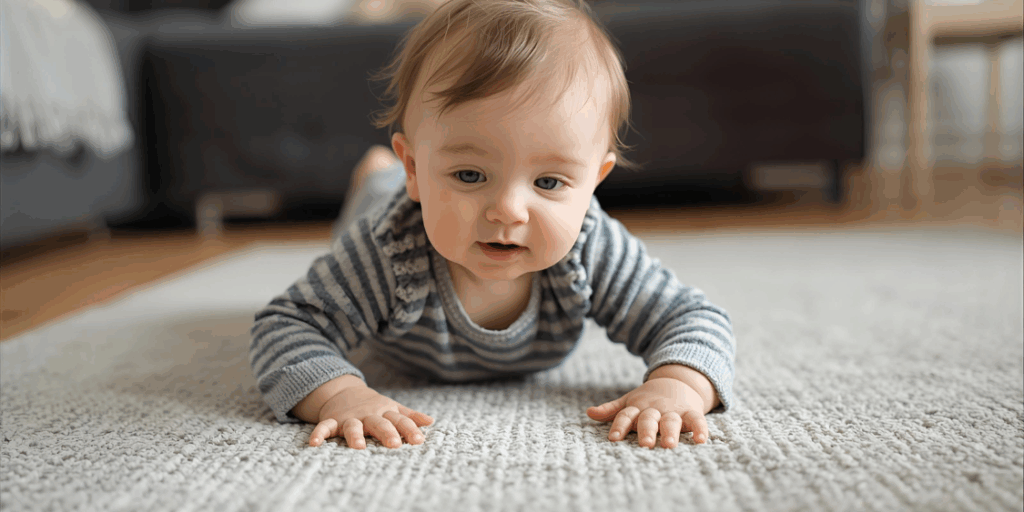
Safe-Dry®’s process is both eco-friendly and highly effective. Using low-moisture technology and non-toxic cleaning solutions, the process lifts dirt, oils, and allergens while sanitizing the fibers. Unlike heavy steam or water-soaked methods, this approach prevents over-wetting, which can lead to mold growth or long drying times.
The antibacterial agents used are safe for pets and children, meaning your family doesn’t have to be exposed to harsh chemicals or strong odors. By focusing on both cleanliness and safety, Safe-Dry® ensures your carpet not only looks fresh but also contributes to a healthier home.
Professional antibacterial carpet cleaning offers a wide range of benefits beyond aesthetics. Some of the most important include:
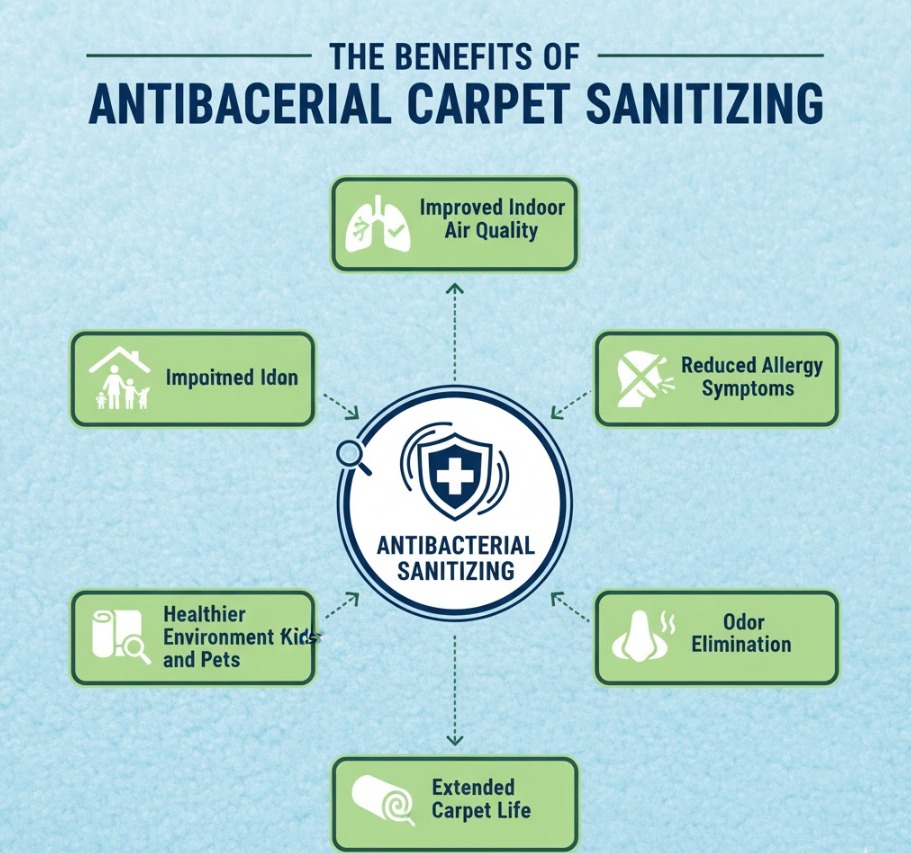
These benefits make antibacterial cleaning not just a luxury but a practical investment in both comfort and health. Homeowners who adopt regular professional sanitizing routines enjoy cleaner, fresher, and longer-lasting carpets.
The frequency of antibacterial carpet cleaning depends on household activity, pets, and susceptibility to allergies. General guidelines include:
Scheduling regular cleanings ensures bacteria and allergens are removed before they build up, keeping both your carpets and indoor air quality at a high standard.

Safe-Dry® offers a cleaning system that’s gentle on carpets but tough on bacteria. The low-moisture process dries quickly, eliminating the risk of mold or mildew. Eco-friendly cleaning solutions mean there are no harsh chemical residues left behind.
Their professional technicians are trained to assess your carpet type, stain history, and household needs, customizing the cleaning process for optimal results. Families can enjoy peace of mind knowing that their carpets are sanitized safely, maintaining a healthy home environment for everyone.
With Safe-Dry®, you also benefit from:
Keeping your carpets truly clean and germ-free doesn’t stop after a professional antibacterial cleaning. While professional treatments remove bacteria, allergens, and odor at the fiber level, daily habits and preventative measures play a crucial role in maintaining those results. The following steps provide a practical guide for homeowners who want to extend the life of their carpets and preserve a healthy home environment.
Step 1: Vacuum Regularly and Strategically
Vacuuming is the first and most important step in maintaining a germ-free carpet. Use a vacuum with a HEPA filter, which can trap microscopic particles such as dust mites, pollen, and pet dander. High-traffic areas should be vacuumed at least two to three times per week, while low-traffic rooms can be vacuumed weekly. Don’t forget hidden spots, like under furniture, along baseboards, and near entryways, as these areas often accumulate hidden dust and dirt. Rotating furniture occasionally can also expose less-accessible carpet areas to regular vacuuming.
Step 2: Treat Spills and Stains Immediately
Accidents happen, and the key to preventing bacteria and odor buildup is prompt attention. Blot, don’t rub, spills with a clean, absorbent cloth to lift liquids without pushing them deeper into the fibers. For pet accidents, use an enzyme-based cleaner to break down urine proteins and eliminate odor-causing bacteria at the source. Quick action prevents stains from setting, minimizes bacterial growth, and keeps your carpets looking fresh.
Step 3: Implement a Shoes-Off Policy
Shoes track in dirt, bacteria, and allergens from the outside environment. By making a habit of removing shoes at the door, you significantly reduce the introduction of harmful particles into your home. For added protection, place a high-quality doormat outside and inside every entrance. This simple practice not only reduces germs but also prolongs the life of your carpet and keeps it looking newer for longer.
Step 4: Groom Pets Regularly
If you have pets, regular grooming is essential for carpet hygiene. Brush and bathe pets frequently to reduce shedding, dander, and bacteria that can settle in carpet fibers. Keep pet nails trimmed to avoid scratching carpets, which can trap dirt in grooves and make cleaning more difficult. Consider providing designated pet-friendly areas with washable bedding to limit carpet contamination in high-use zones.
Step 5: Rotate Furniture and High-Traffic Areas
Constant foot traffic in certain areas can compress fibers and lead to uneven wear, which makes dirt and bacteria more difficult to remove. Rotating furniture and changing the placement of rugs allows high-traffic zones to rest, while giving the carpet a chance to recover its texture. This practice also distributes wear evenly and reduces the likelihood of bacteria settling in permanent grooves.
Step 6: Air Out Your Home Regularly
Proper ventilation helps reduce humidity, which in turn minimizes the growth of mold and bacteria in carpet fibers. Open windows, use ceiling fans, or run an air purifier to circulate fresh air throughout your home. Homes with higher humidity levels or poor ventilation may require more frequent professional antibacterial cleaning to prevent microbial buildup.
Step 7: Use Professional Spot Treatments When Needed
Even with careful maintenance, some spots or odors may require professional attention. Safe-Dry® offers spot treatments using non-toxic, antibacterial solutions that tackle stubborn stains and bacteria without over-saturating the carpet. Scheduling these spot treatments periodically ensures germs are kept under control and carpets remain fresh between full cleanings.
Step 8: Schedule Regular Professional Cleaning
Ultimately, the best way to maintain a germ-free carpet is by combining daily care with professional antibacterial cleaning. While vacuuming and spot treatments help, professional services reach deep into the fibers and padding where bacteria, allergens, and odors accumulate over time. A routine cleaning schedule, every 6 to 12 months depending on your household, ensures your carpets remain truly sanitized, fresh, and safe for everyone in your home.
Step 9: Maintain Cleaning Supplies and Equipment
Using clean and effective tools is essential for maintaining a healthy carpet. Regularly wash vacuum filters, mop heads, and cleaning cloths. Using worn or dirty equipment can redistribute dirt and bacteria instead of removing them. Investing in high-quality, pet-safe cleaning solutions ensures every maintenance step supports a germ-free environment.
Step 10: Educate Your Household
Finally, involve everyone in the home in maintaining clean carpets. Teach children to report spills immediately, encourage guests to remove shoes, and establish simple habits like wiping paws or rotating rugs. When the entire household participates, the cumulative effect can drastically reduce bacterial buildup and keep your carpets cleaner for longer.
By following these detailed steps, homeowners can extend the life of their professional antibacterial cleaning, reduce allergens, prevent odors, and ensure their carpets contribute to a safe, healthy living environment. These practices, combined with regular Safe-Dry® services, create a proactive approach to home hygiene that goes beyond surface-level cleaning.
1. What is antibacterial carpet cleaning?
It’s a process that removes bacteria, germs, allergens, and dirt deep within carpet fibers to create a cleaner, safer home.
2. Is it safe for pets and children?
Yes, Safe-Dry® uses non-toxic, eco-friendly solutions that are completely safe for both pets and kids.
3. How long does it take for carpets to dry?
With Safe-Dry®’s low-moisture method, carpets typically dry within 1–2 hours.
4. Can antibacterial cleaning remove odors?
Yes. The process neutralizes odor-causing bacteria rather than masking smells with fragrances.
5. How often should I sanitize my carpets?
Generally, every 12–18 months. Homes with pets or high foot traffic may require more frequent cleaning.
6. Will cleaning damage my carpet?
No. The low-moisture, gentle cleaning process is designed to preserve carpet fibers and color.
7. How is this different from regular carpet cleaning?
Standard cleaning may remove dirt and surface stains but does not effectively eliminate bacteria or allergens deep in the fibers.
8. Can it help with allergies?
Yes. Reducing dust mites, pollen, and pet dander improves indoor air quality and reduces allergy triggers.
9. Is it environmentally friendly?
Safe-Dry® uses eco-friendly cleaning solutions and minimizes water use, making it safe for the environment.
10. How do I schedule a professional antibacterial carpet cleaning?
Contact Safe-Dry® for a free estimate and appointment. Certified technicians will provide a thorough, safe cleaning customized to your home.
Carpet cleaning is more than just a visual upgrade, it’s a step toward a healthier, safer home. Bacteria, allergens, and odors can linger deep in your carpet fibers, affecting air quality and overall comfort. Antibacterial carpet cleaning removes these hidden threats, restoring freshness and helping you breathe easier.
Safe-Dry®’s professional process combines eco-friendly solutions, fast-drying technology, and thorough sanitization to deliver a clean, safe, and comfortable home environment. Whether you have kids, pets, or simply want to maintain a healthy space, professional antibacterial carpet cleaning is an essential investment.
Schedule your next cleaning with Safe-Dry® and experience the difference: cleaner carpets, fresher air, and peace of mind knowing your home is truly sanitized.