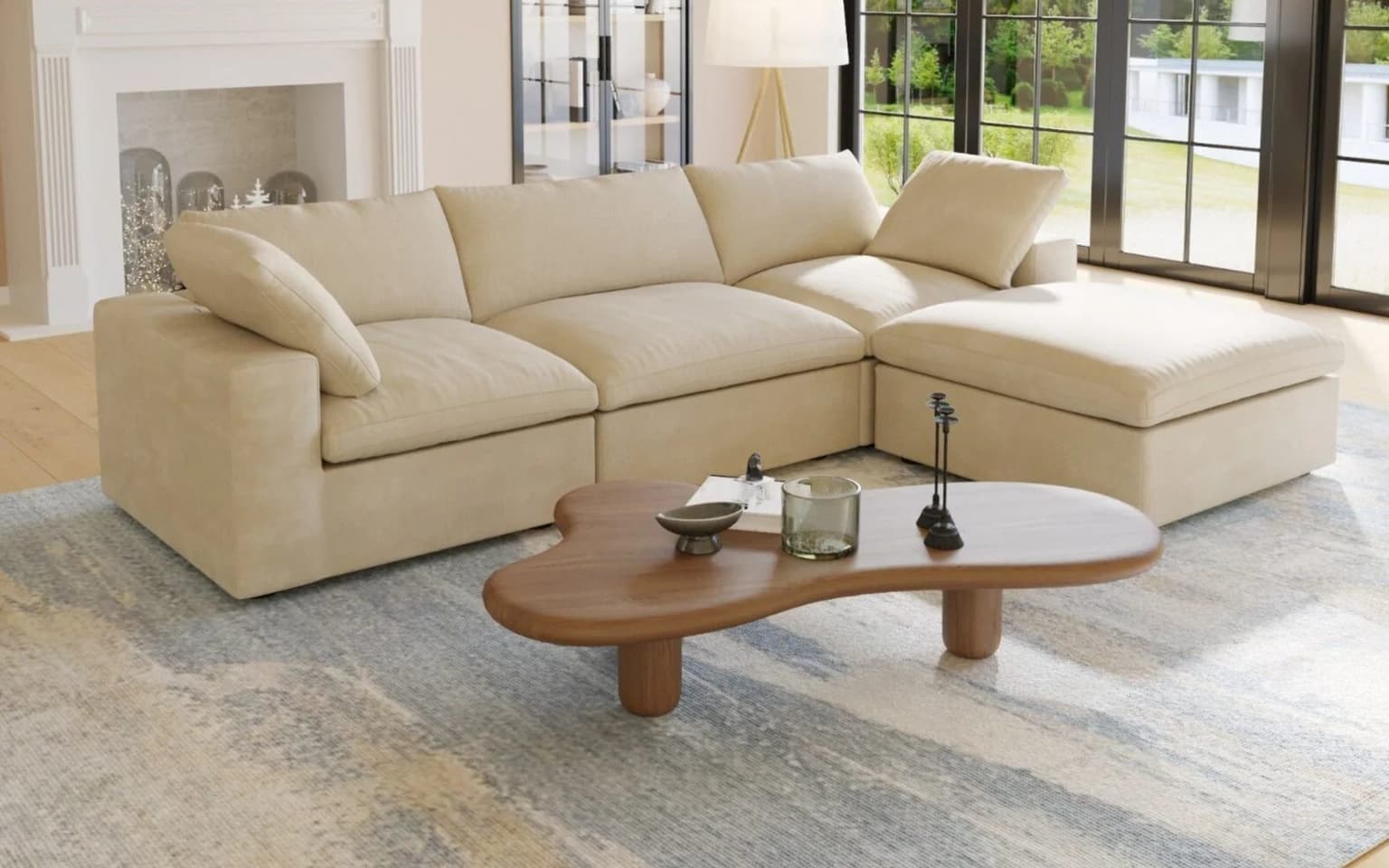
Take the cushions off your couch tonight and look at the deck underneath. You'll probably find a couple of coins, a hair tie, a sprinkle of crumbs and a mat of dog hair packed into one corner. That little layer is where most couch smell starts, and it's why a sofa that looks spotless can still smell like a sofa.
Upholstery picks up odor the way clothes do, except nobody throws a couch in the washer on Sunday night. So the goal is a routine that keeps the source material from piling up. Here's the one I'd give a neighbor, sorted by how often each job needs doing.
Every week
Vacuum the couch on the same day you vacuum the floor. The EPA's indoor air advice groups fabric furniture with carpet for routine vacuuming, and that makes sense, since the same dust lands on both.
Use the wide upholstery head on the seats and backs, then switch to the crevice tool for the seams, the piping, the inside of the arms, and the gap where the back meets the seat. Go slower than feels necessary. A quick swipe across the middle of each cushion gets the hair you can see and leaves the grit you can't.
If a pet has a regular spot, wash the throw that covers it. Dogs and cats leave oil and dander on whatever they lie on, and a blanket goes in the machine a lot more easily than a seat cushion does.
Every month
Pull every loose cushion and vacuum the deck. This is the job almost everybody skips, and for smell it matters more than anything else on this list. Crumbs sitting in a dark, warm pocket for weeks go stale, and they take the couch with them. If your family eats dinner in front of the TV, do it every other week.
While the cushions are off, rotate them, and flip them if the manufacturer says they're meant to be flipped (some aren't). When one person takes the same seat every night, that cushion soaks up most of the body oil and most of the compression. Moving them around spreads both out.
Once a month, look at the fabric in daylight, too. A darker armrest or a dull patch where heads rest is oil buildup, and odor in that exact spot usually follows a few weeks later.
A few times a year
Wash removable cushion covers, if and only if the care label allows it. A zipper doesn't make a cover machine washable. Lots of upholstery fabric shrinks or puckers in a washer, and a shrunk cover won't go back on its cushion. When the label does say yes, follow its temperature and drying directions, then let the cover dry all the way before you zip it back on. Damp fabric pulled over foam is a reliable way to make a couch smell worse.
Retire the air freshener while you're at it. A scented spray lays a second smell over the first one, and the first one is back when the perfume fades. The EPA also notes that air fresheners release volatile organic compounds into the air you breathe indoors. Find the source and deal with it. Crumbs get vacuumed. A grubby cover gets washed.
Baking soda gets asked about a lot. Sprinkled on and vacuumed off, it can take the edge off a surface smell on some fabrics. It won't reach anything that soaked into the cushion, and it's stubborn to get out of a nubby weave, so check the care label before you try it.
On a dry, mild day, open the windows and let the room air out. Moving air won't pull odor out of padding, but a closed-up living room makes every smell in it stronger.
Spills, any time they happen
Liquid gets through the outer fabric and into the foam and batting faster than people expect. Anything organic that dries down there, like spilled milk or pet urine, can keep smelling long after the surface looks fine. Get the liquid out right away with a clean, absorbent towel, press down without rubbing, and use as little water as you can. Never mix cleaning products. The EPA's advice is to combine them only when a label specifically says to.
When it's time to call us
The routine slows odor down. It can't undo body oil that has worked into the fibers, and it can't reach what soaked into the padding. Those are the moments to bring in help:
- the smell comes back a day or two after you've vacuumed and aired the room
- the armrests or headrest have visibly darkened
- a pet had an accident on the couch or on the floor right next to it
- someone tried a rental machine and now the couch smells musty
Rental machines lay down a lot of water, which is the last thing a cushion needs. Our upholstery process is low-moisture, so the padding never gets soaked and you can usually sit on the couch again the same afternoon.
Before the visit, clear blankets and remotes off the furniture. Then tell your technician what you know: where it smells, where the old spills were, where the pet had an accident, and what products you've already tried. That history changes how each spot gets treated, and you'll get the price before work starts. You can book through the upholstery cleaning page or call 281-506-4808.
One more thing to check before you blame the couch. Look at the floor in front of it. A surprising number of "couch smells" turn out to be an old pet spot in the carpet six inches from the front skirt, and cleaning the sofa alone won't touch that. If that's what you find, the enzyme treatment on our odor and stain page goes down to the pad, which is where that smell lives.